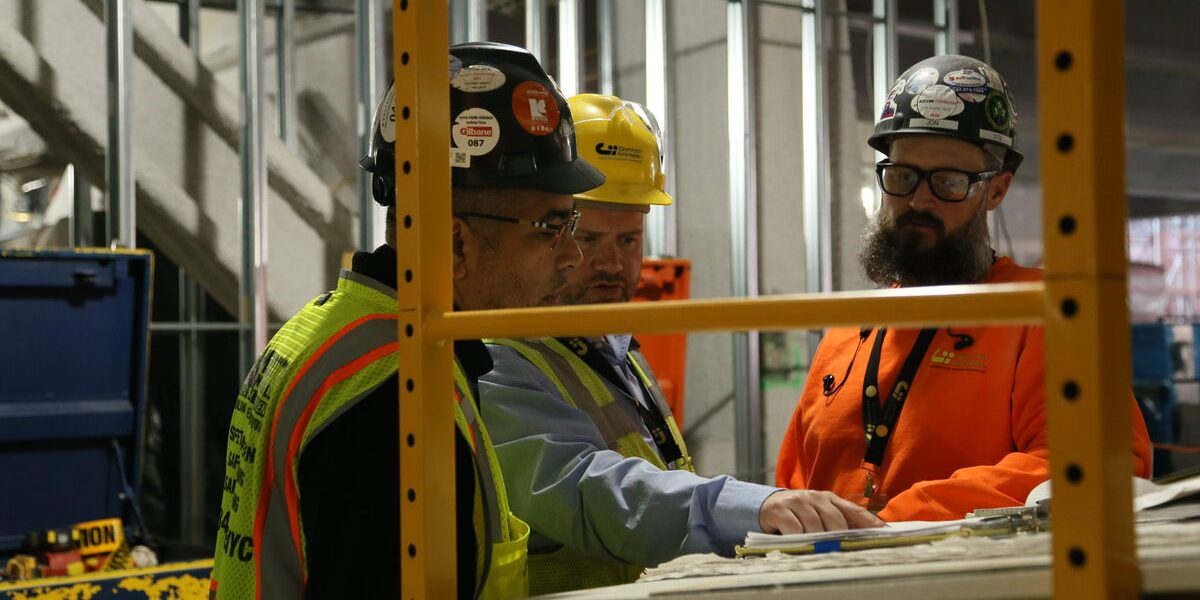
Construction sites move fast. Workers, machines, and materials move across tight spaces on tighter deadlines. While progress stays in focus, so should safety. Whether you’re building a high-rise in Manhattan or breaking ground in Brooklyn, nothing halts a construction project faster than a preventable injury or inspection failure.
A safety planning checklist for construction brings order to the chaos. It gives crews a clear path, from pre-shift prep to daily walk-throughs. And when it’s done right, it keeps people safe, jobs on schedule, and citations off your desk.
Why Should You Use a Construction Safety Checklist?
Construction crews deal with constant change. Trades rotate in and out. Equipment shows up in waves. Risk levels rise and fall by the hour. Without a checklist in place, even experienced crews miss steps. Small problems turn into shutdowns. Occupational Safety and Health Administration (OSHA) visits turn into fines.
Using a checklist helps ensure that safety procedures are completed every day. It keeps tasks front and center so nothing slips. It also supports a strong culture of safety, one that helps crews spot hazardous conditions before they become incidents. The more often you use it, the more consistent your site becomes.
What Goes Wrong on Site and How to Catch It Early
Before you use a checklist, know what you are looking for. Certain violations pop up again and again across the construction industry.
Damaged or Unsecured Equipment
Faulty power tools or machines without proper guards can cause injuries in seconds. That includes frayed cords, missing labels, and broken parts that workers sometimes overlook. These issues fall under poor management systems and must be caught through regular checks.
Fall Hazards with No Protection
Whether someone is working at heights six feet up or sixty, they need fall protection. Guardrails, harnesses, and tie-off points should be standard. Skipping these is one of the most common safety violations on job sites today.
Unsafe Air Quality
Dust, welding fumes, and vapors from coatings or sealants create hazardous materials exposure. When workers don’t use masks or ventilators, the risk level spikes. Hazard identification here can prevent long-term health problems.
Machinery and Truck Movement
Backovers, tip-overs, and blind spots lead to incidents with heavy machinery. If alarms fail or spotters aren’t present, accidents can happen in seconds. Proper safety measures must guide equipment movement.
A daily safety inspection checklist helps crews catch these issues before work begins.
Construction Site Safety Checklist to Use Every Day
This list helps job sites stay compliant with local requirements and align with OSHA standards. Review it each morning to keep everyone on track.
Personal Protective Equipment (PPE)
Check that everyone wears the right gear: hard hats, safety goggles, gloves, high-visibility vests, and steel-toed boots. For dusty or loud tasks, provide respiratory protection or hearing protection. Replace anything worn or missing to support worker safety.
Tools and Heavy Equipment
Inspect tools and equipment before use. Look for broken pieces, exposed wires, or loose parts. Check machines like lifts and forklifts for leaks, tire pressure, and working alarms. Use lockout systems if anything is unsafe.
Fall Protection
Confirm that safety nets, harnesses, and ladders meet code. Scaffolds should pass inspection before anyone climbs. Fall arrest gear is non-negotiable when working at heights.
Hazard Communication
Label chemicals clearly. Store them away from heat or open flames. Provide access to safety data sheets and go over potential hazards in toolbox talks.
Emergency Readiness
Stock fire extinguishers, first aid kits, and spill kits. Make sure exits are clear. Review response plans weekly. This kind of prep supports safe working conditions for everyone on site.
General Housekeeping
Clear trash, unused materials, and trip hazards from walkways. Store cords off the ground. Keep work areas organized so crews do not waste time or risk injury trying to work around clutter.
Site Access and Security
Limit access to authorized personnel. Lock storage areas. Use fencing and signs to keep the public away from active work zones. Track who is on-site using sign-in sheets or ID badges.
Electrical Systems
Test equipment for electrical hazards. Tape down cords and keep panels closed. Add covers to live wires and inspect regularly for electrical safety.
OSHA’s Most Frequent Construction Violations
The same safety hazards show up across nearly all job sites. These five violations appear in OSHA reports year after year:
- Missing or incorrect fall protection
- Unsafe scaffolds
- Poor hazard communication
- Lack of respiratory protection
- Improper ladder use
If your checklist does not cover these, expect problems. Add checks for each into your daily routine. Train your crew to address safety before small gaps turn into full-blown violations.
Make Safety Inspections Part of Your Routine
Use the checklist at the start of each shift. Assign someone to manage it. Rotate tasks weekly. Keep a record of what was checked and fixed. Regular safety inspections build consistency and help teams spot problems early.
If a city or federal inspector walks your site tomorrow, your construction safety plan should already match what they’re looking for. Having these habits in place shows you take workplace safety seriously.
Build Safer Projects with Menotti Enterprise
New York contractors deal with strict compliance rules. That’s why many construction companies work with professionals who know the code. At Menotti Enterprise, we help project teams build real-world safety checklists, lead safety training, and oversee inspections from start to finish.
We work with project managers to review conditions, write proper plans, and mitigate risks that lead to shutdowns or penalties. Whether you need a full plan, trained safety staff, or support for your next audit, we’re ready.
Stay Inspection-Ready with a Safety Planning Checklist
A daily checklist gives your crew the tools to do the job right. When you walk through PPE, fall protection, equipment, electrical hazards, and prep each morning, your site runs cleaner, faster, and safer.
If building that routine feels overwhelming or if you want expert eyes on your safety planning checklist for construction, Menotti Enterprise is here to back you up. We’ll work with your crew to build a checklist that matches your work, supports enhanced safety goals, and promotes a lasting culture of safety.
Let’s make worker safety the top priority on your next jobsite.