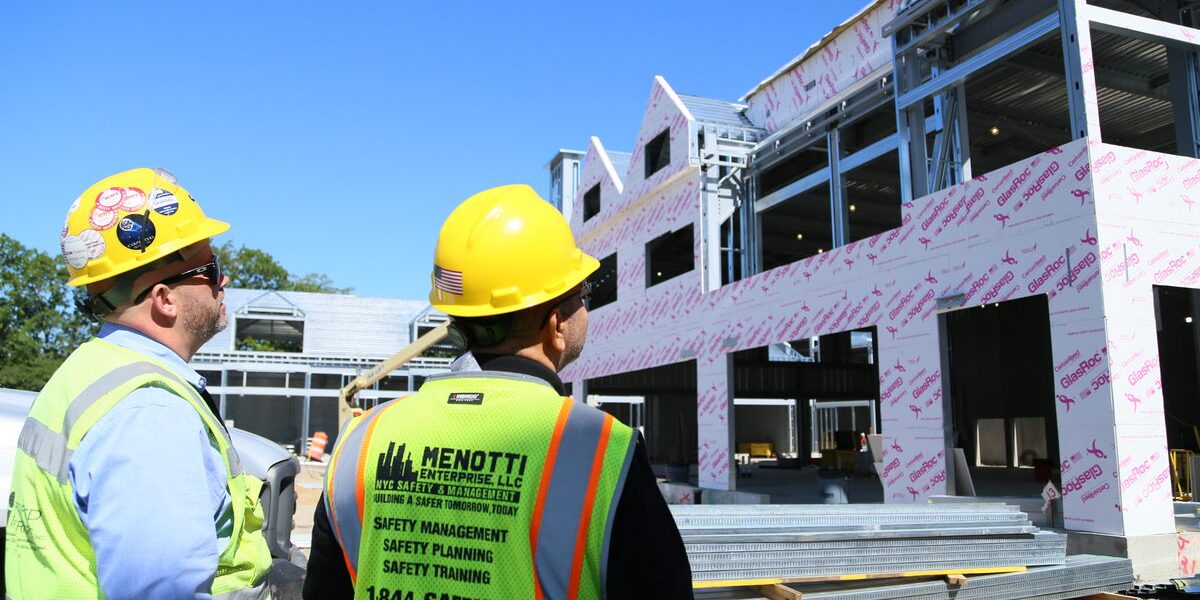
No one shows up at a construction site hoping to deal with injuries or emergencies. Every worker wants to finish the day the same way they started: safe and in one piece.
That’s why you need an effective safety plan.
Whether your site covers a few blocks or a few city streets, building a clear, written plan keeps your team focused. It helps everyone identify risks early, follow the right procedures, and know what to do if something goes wrong.
Here’s how to build a workplace safety plan that works in real life.
What Goes Into a Safety Plan?
A safety plan outlines how your crew handles job site risks. It gives your team a guide for how to work, what rules to follow, and how to react during an incident.
Most construction companies gather everything into one document that includes:
- The company’s safety policy
- A list of safety contacts on-site
- Emergency phone numbers
- A breakdown of job site conditions
- A list of known hazards
- Hazard control steps
- Emergency procedures
With the right structure, your safety plan becomes a real-time resource for every worker on-site.
Step 1: Set a Clear Safety Policy Everyone Can Follow
Start by putting your company’s safety stance in writing. Your team needs to know this isn’t just a set of rules; it’s part of how you work.
List out who handles what. Define supervisor roles, inspection duties, and the process for handling unsafe conditions. That kind of clarity builds trust. When your crew sees safety taken seriously, they’re more likely to follow through.
Step 2: Walk the Site and Identify Hazards
You can’t fix what you don’t see. Before anything else, take time to walk the job site. Look for conditions or behaviors that could cause injury.
Talk with your workers. They often know what’s risky before management does. Review past incident reports and go over any recent equipment or material changes.
Sort each hazard into one of three categories:
- Workplace hazards like cluttered walkways or exposed edges
- Activity hazards like welding or operating lifts
- Environmental hazards like heat, cold, or air quality
Once you identify these risks, write them down.
Step 3: Rate and Prioritize Each Risk
Not every hazard creates the same level of danger. Some risks might cause minor injuries, but they happen often. Others might be rare but lead to serious outcomes.
Use a chart or matrix that compares how likely a hazard is to how much damage it could cause. That way, you know which issues to fix right away and which ones to monitor.
This step gives your safety plan structure and keeps your crew focused on what matters most.
Step 4: Write the Rules That Guide Safe Work
Now that you know where the problems are, build procedures that teach your team how to work safely.
List the required personal protective equipment for each task. Hard hats, gloves, eye protection, and safety boots need to be part of the daily routine, not a suggestion.
Create written procedures for tasks that involve risk. Whether it’s climbing, cutting, lifting, or mixing, break down the steps so every worker understands what safe work looks like.
Post this information where crews can see it. Turn your safety plan into something your team can use every day.
Step 5: Make Roles and Responsibilities Clear
If an emergency happens, there’s no time to figure out who’s in charge. Your plan should name each employee responsible for safety tasks.
List out who calls for help, who shuts down equipment, and who guides people to safety. This step makes your job site more organized and helps avoid panic during emergencies.
Update this list whenever teams change so your crew always knows who to turn to.
Step 6: Train Workers on the Full Safety Plan
Your plan only works if everyone knows it. Before any worker sets foot on the site, they should go through full safety training.
Cover hazard recognition, personal protective equipment (PPE) requirements, site rules, emergency steps, and how to report a safety concern. Repeat training when something changes, whether it’s a new machine or a new risk.
Don’t wait for an incident to realize someone missed a step. Give your workers the knowledge they need to act before something goes wrong.
Step 7: Prepare for Every Emergency
Emergencies are part of the job in construction. Your plan should prepare workers to act fast when something goes wrong.
Include evacuation maps, meeting points, cardiopulmonary resuscitation (CPR) contacts, and fire procedures. Write out exactly what to do for weather threats, chemical spills, or injuries.
Place this info around the site and make sure it’s easy to read. A well-placed contact list can make the difference between a fast response and a missed chance.
Step 8: Keep the Plan Updated as the Project Grows
Construction sites change daily. That’s why your safety plan can’t stay frozen in time.
Review it regularly. Update it after each incident, when new equipment arrives, or when the job enters a new phase. Don’t assume what worked at the start will still apply halfway through.
This habit helps you spot potential hazards early and keep your procedures current.
Step 9: Keep the Conversation Going
Safety plans work best when people talk about them. Build time into the schedule for safety meetings. Encourage workers to speak up when they see a problem.
Let employees report issues in private if needed. Assign a safety contact who listens and follows through. When workers feel heard, they’re more likely to get involved in keeping the site safe.
No one wants to feel like their safety concerns are ignored. Communication keeps your plan alive and relevant.
Create a Safer Job Site with Help from Menotti
Construction is physical, fast, and always changing. A well-written workplace safety plan won’t stop every accident, but it gives your crew a better chance to avoid harm and handle emergencies the right way.
Following the right steps to develop a comprehensive safety plan helps you stay prepared. It starts by identifying hazards, then moves into policy writing, worker training, and regular updates. When you treat safety as part of daily operations, your team sees it and responds with better habits.
At Menotti Enterprise, we help construction companies across New York City create safety plans based on real job site conditions. Our team supports every part of the process, from writing procedures to staffing projects and delivering hands-on training.
If your site needs a more effective approach to safety, connect with us today. We’ll walk you through the right steps to develop a comprehensive safety plan and help keep your crew protected throughout the construction project.