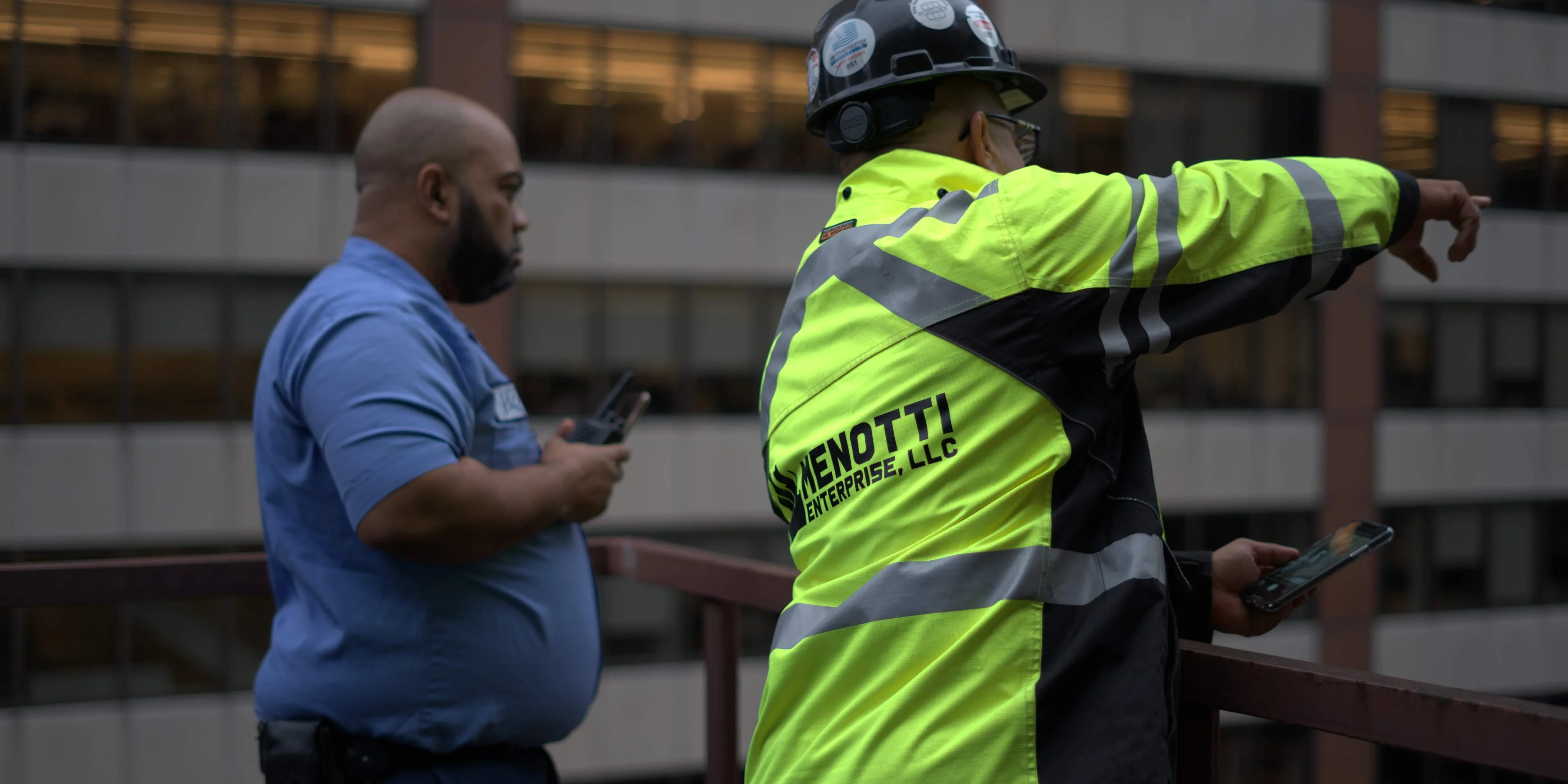
DOB violations can shut down any NYC construction project fast. They trigger fines, delays, and public compliance records that hurt your reputation.
Contractors, developers, and property managers face serious setbacks when safety standards slip.
This guide explains the five most common DOB compliance failures on NYC construction sites and how to prevent them.
You’ll learn what inspectors look for, why violations happen, and what steps keep your job site inspection-ready every day.
What Are DOB Violations?
A DOB violation is an official notice from the Department of Buildings that a site broke a safety or construction rule.
Inspectors issue these notices when they find unsafe work conditions, missing permits, or incomplete documentation.
Each violation brings a penalty. Some include fines, while others result in stop-work orders that halt progress and raise expenses.
Once issued, violations become public records that anyone can view. Investors, lenders, and buyers often review them before moving forward with a project.
These violations affect future permits and inspection approvals. One violation can trigger more inspections and closer oversight.
5 Common DOB Violations on NYC Construction Sites
Here are the five most common DOB compliance failures and how to avoid them before they lead to a violation.
1. Failure to Provide Proper Personal Protective Equipment
Personal protective equipment (PPE) protects workers from harm. Hard hats, gloves, safety glasses, and harnesses are required on every NYC construction site.
Many violations happen because supervisors fail to supply enough PPE or don’t enforce its use.
When workers skip helmets or harnesses, the risk of injury increases. Inspectors notice these lapses and record them as DOB violations.
The solution is clear. Provide the correct gear and make sure everyone uses it. Regular inspections confirm compliance, while safety training keeps teams alert and responsible.
Neglecting PPE risks more than a fine. It threatens worker safety and slows project progress. Sites that stay consistent with PPE rules avoid violations and protect their crews.
2. Inadequate Fall Protection
Falls remain the leading cause of construction site fatalities. Any work at six feet or higher requires protection. That includes guardrails, safety nets, or personal fall arrest systems.
Violations occur when these safeguards are missing, damaged, or used incorrectly. A missing guardrail or unsecured harness is enough for inspectors to issue a notice.
To prevent this, review fall protection systems daily. Replace worn gear and confirm that anchorage points are secure.
Supervisors who set clear expectations create safer work environments and reduce compliance failures. Ignoring fall protection not only risks severe injury but also invites costly project delays.
3. Insufficient Safety Signage
Missing or unclear safety signage is another common cause of violations. Workers and visitors rely on signs to identify hazards and find safe routes.
Inspectors often cite sites for missing warning signs, unclear hazard markings, or outdated emergency information. These oversights are easy to fix but just as easy to overlook.
Place visible signage near equipment, restricted zones, and exits. Keep it clean, legible, and up to date. Consistent placement helps workers act fast when an emergency occurs.
Proper signage prevents accidents and shows inspectors that your site values safety and order.
4. Unsafe Scaffolding and Structural Support
Scaffolding issues remain one of the most frequent violations in NYC construction. Weak assembly, missing base plates, or overloading can lead to serious accidents.
Inspectors look for stability and a correct setup. Any defect, no matter how small, can trigger a violation notice.
To avoid that, inspect scaffolding daily. Confirm that it’s properly secured and within load limits. Replace any damaged sections immediately. Keep records of all inspections for reference.
Strong scaffolding supports safe work and keeps projects moving without interruption.
5. Inadequate Site Safety Plans and Documentation
Large construction projects require an approved site safety plan. Inspectors use this document to verify compliance during visits. When plans are missing, outdated, or incomplete, violations follow.
A safety plan should outline supervision, emergency procedures, and hazard prevention measures. It also identifies who manages each safety responsibility.
Review and update your safety plan regularly. Make sure every supervisor knows where to access it. Documentation should be accurate, current, and ready for inspection at any time.
Sites with organized records show they take compliance seriously and rarely face avoidable violations.
What Happens When DOB Violations Go Unresolved?
Unresolved DOB violations create expensive setbacks. Each notice carries fines that grow daily until you correct the issue.
The Department of Buildings can also stop work on your site, leaving crews idle and projects frozen.
Violations don’t disappear on their own. They appear in public records that lenders, investors, and buyers review before approving funding or property transfers.
A site with open violations looks unreliable and can lose future business.
Delays also hit your operations. Permit applications move more slowly, and inspectors visit more often. Every inspection takes time and resources that could go toward finishing work instead.
Trust Menotti Enterprise to Keep Your Projects Inspection-Ready
DOB violations disrupt progress, drain budgets, and damage reputations. Menotti Enterprise helps you stop those problems before they start.
Our team knows what inspectors look for and how to keep your site compliant under pressure.
From safety inspections to document preparation and violation clearance, Menotti handles every step with precision.
Our consultants identify risks early, correct them fast, and maintain communication with the DOB until your record is clear. That means fewer fines, fewer delays, and stronger project outcomes.
Menotti’s mission is simple. We want to protect your investment, keep your crews safe, and maintain a clean record across every job site.
Ready to protect your projects and stay inspection-ready? Request a free consultation with Menotti and keep your construction project on track.
Frequently Asked Questions
What are the penalties for a DOB violation in New York City?
Fines range from hundreds to thousands of dollars, depending on the violation type and severity. Daily penalties continue until the issue is corrected, and unresolved violations can also lead to stop-work orders.
Can a DOB stop-work order be lifted fast?
Yes, once you fix the problem, file the correction paperwork, and pass a reinspection. Acting fast prevents longer delays and additional penalties.
How can contractors prevent recurring DOB violations?
Inspect sites daily, train workers on safety standards, and keep all permits and documentation current. Quick action and consistent oversight stop most violations before they start.