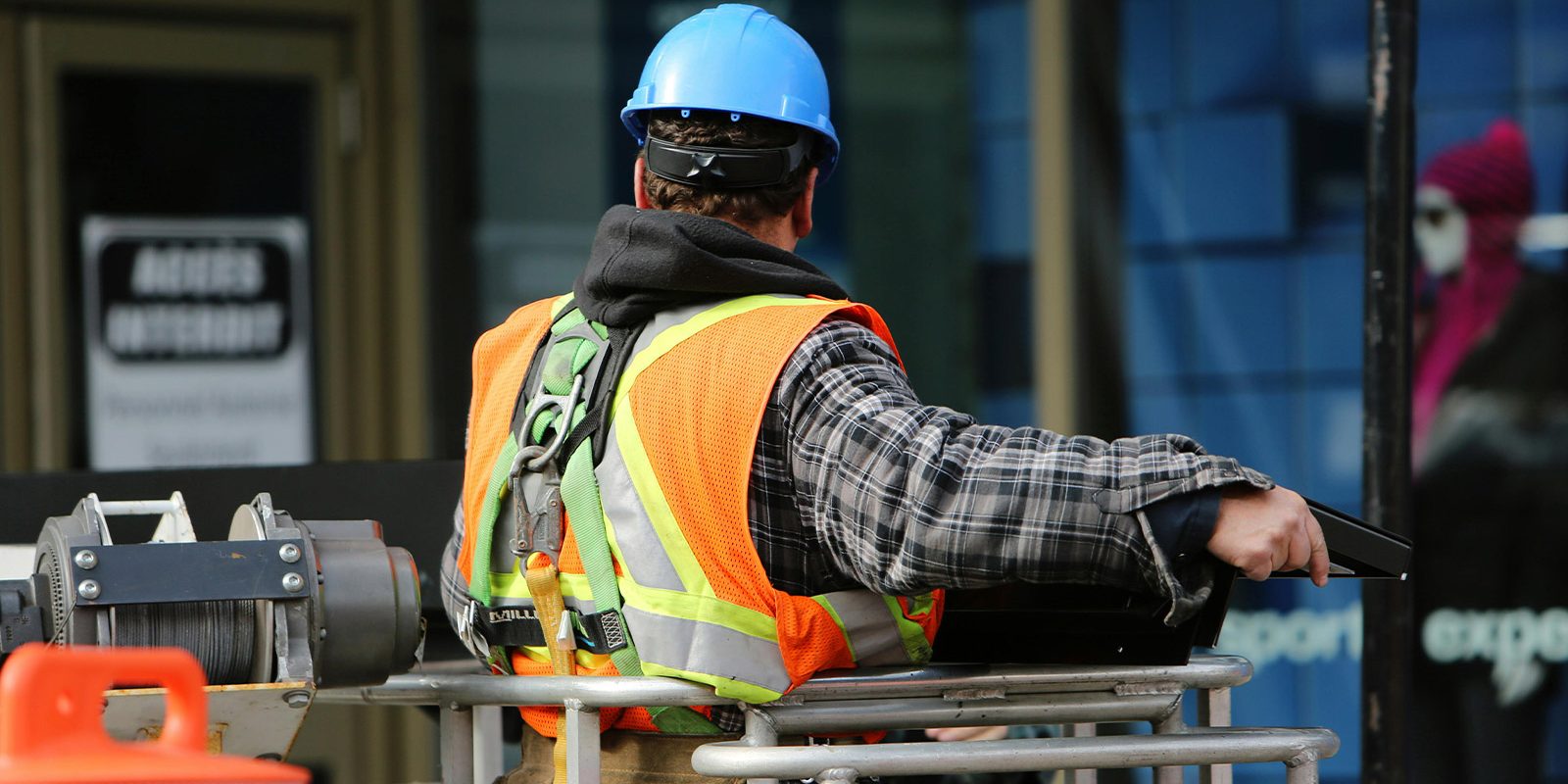
Did you think NYC construction is just about building tall and fast? Not so fast.
If you’re skipping a Site Safety Plan (SSP), your project might come to a screeching halt, thanks to a not-so-friendly notice from the NYC Department of Buildings (DOB).
But don’t sweat it.
By the end of this, you’ll have an answer to “When is a Site Safety Plan required in NYC?” You’ll also learn why it’s non-negotiable, and how to handle it like a pro.
What’s a Site Safety Plan (SSP), and Why Does It Matter?
An SSP is a safety bible for your construction site.
Here’s the gist:
-
It outlines safety protocols tailored to your specific project.
-
It identifies hazards that could derail timelines or put people at risk.
-
It spells out exactly how to prevent accidents, injuries, or property damage.
In NYC, where projects go up in dense neighborhoods with tight schedules, this is huge.
It’s like your project’s insurance policy but for safety and compliance.
When Is a Site Safety Plan Required in NYC?
The New York City Department of Buildings (DOB) has strict regulations regarding Site Safety Plans (SSPs). To ensure worker safety and public protection, specific projects necessitate a comprehensive SSP. Here’s a breakdown of when your project might require an SSP:
1. Tall Buildings
Any construction, demolition, or significant alteration project involving a building of 15 stories or more requires an SSP. This includes skyscrapers, large apartment complexes, and other towering structures.
2. Large-Scale Projects
If your project encompasses a total floor area of 100,000 square feet or more, an SSP is mandatory. This criterion ensures safety for workers and the public on extensive construction sites.
3. High-Risk Construction Activities
Certain high-risk activities, such as crane operations, facade repairs, and large-scale demolitions, necessitate an SSP. These plans outline specific safety measures to mitigate potential hazards.
4. Projects Requiring Licensed Safety Professionals
If your project mandates the presence of a Site Safety Manager, Coordinator, or Construction Superintendent, an SSP is essential. This ensures that experienced safety professionals oversee the project and implement the outlined safety measures.
5. Work Near Public Spaces
Any construction project that impacts public spaces, including sidewalks, streets, or pedestrian areas, requires an SSP. The plan must detail protective measures, such as fencing, scaffolding, and signage, to safeguard the public during construction.
Why Is the DOB So Serious About SSPs?
The Department of Buildings (DOB) considers Safety Plans (SPs) as fundamental to construction safety in New York City. Here’s why:
NYC’s High-Stakes Environment
With millions of people occupying a relatively small area, even minor construction oversights can lead to significant accidents. The DOB recognizes the potential risks and mandates SPs to mitigate them.
Protecting Lives and Property
SPs protect construction workers and the general public, neighboring properties, and a project’s reputation. A well-executed SP ensures that everyone involved in a construction project is protected.
Preventing Project Chaos
A well-structured SP promotes efficient coordination and timely project execution. Without a clear plan, projects can become disorganized, leading to delays, cost overruns, and safety hazards.
Failing to submit an SP can result in hefty fines. More importantly, it jeopardizes worker safety, delays project timelines, and strains budgets.
What Happens If You Skip the SSP?
Bypassing the Substantial Structural Phase (SSP) requirement can have severe consequences for your construction project. Here’s what you’re up against:
-
Stop Work Orders (SWOs): Your project will come to a screeching halt until you comply with SSP regulations. This can lead to significant delays and increased costs.
-
Hefty Fines: The Department of Buildings (DOB) imposes substantial penalties for non-compliance. These fines can start at five figures and escalate quickly.
-
Liability Risks: If an accident occurs on your construction site due to a lack of SSP compliance, you could face serious legal liability. This could result in lawsuits, property damage, and personal injury claims.
The DOB is serious about enforcing SSP regulations. Don’t become the next cautionary tale.
A Safety and Security Plan (SSP) is a Strategic Investment
Sure, the law says you need a Safety and Security Plan (SSP). But it’s more than just a legal requirement. It can save you time, money, and headaches.
First, an SSP helps keep your workers safe. It helps you spot potential dangers, like tripping hazards or faulty equipment. By fixing these problems, you can prevent accidents and injuries.
Second, a well-planned SSP can keep your projects on track. When workers are safe and accidents are prevented, there are fewer delays and disruptions. This means you can finish your projects on time, or even earlier.
Finally, an SSP can save you money. Accidents and injuries can be very costly. You might have to pay for medical bills, legal fees, and lost productivity. An SSP can help you avoid these expenses by creating a safer work environment.
Menotti Enterprise Makes SSP Compliance Easier
We create custom safety plans that match your project, ensuring adherence to all regulations and mitigating risks. Our safety professionals are on-site to monitor and enforce safety protocols, keeping your workers safe.
Additionally, we offer top-notch safety training to provide your team with the knowledge and skills to work safely.
Secure Your NYC Project With an SSP
Don’t wait until you’re faced with the question, “When is a Site Safety Plan required in NYC?” Partner with Menotti Enterprise to safeguard your project and your team.
Schedule a consultation with our safety experts. With Menotti Enterprise, your SSP is in good hands.