When most people think about safety in construction, they picture hard hats, harnesses, and heavy equipment training.
But there’s another danger that often goes unnoticed. Suicide now claims more lives in this industry than workplace accidents.
That fact is hard to take in, isn’t it? According to the CDC, about 6,000 construction workers died by suicide in 2022. That’s six times the number who died from job-site injuries.
So what can we do about it? That’s what this blog is here to explore. You’ll learn the warning signs to watch for among your crew and how a strong safety culture helps prevent suicide.
We’ll also share practical ways to create a culture of care and provide resources that can save lives.
Signs of Distress Every Crew Should Watch For
Recognizing suicide risk on the job starts with awareness. Many workers keep their mental health struggles to themselves, which makes it harder for others to notice.
A supportive workplace culture encourages open dialogue and reduces stigma around asking for help.
Some warning signs to watch for include:
- Withdrawal from coworkers or avoiding group interaction
- Increased absenteeism or a sudden drop in work performance
- Visible fatigue, loss of focus, or lack of motivation
- Expressions of hopelessness or talk of feeling like a burden
- Substance use or risky behavior that seems out of character
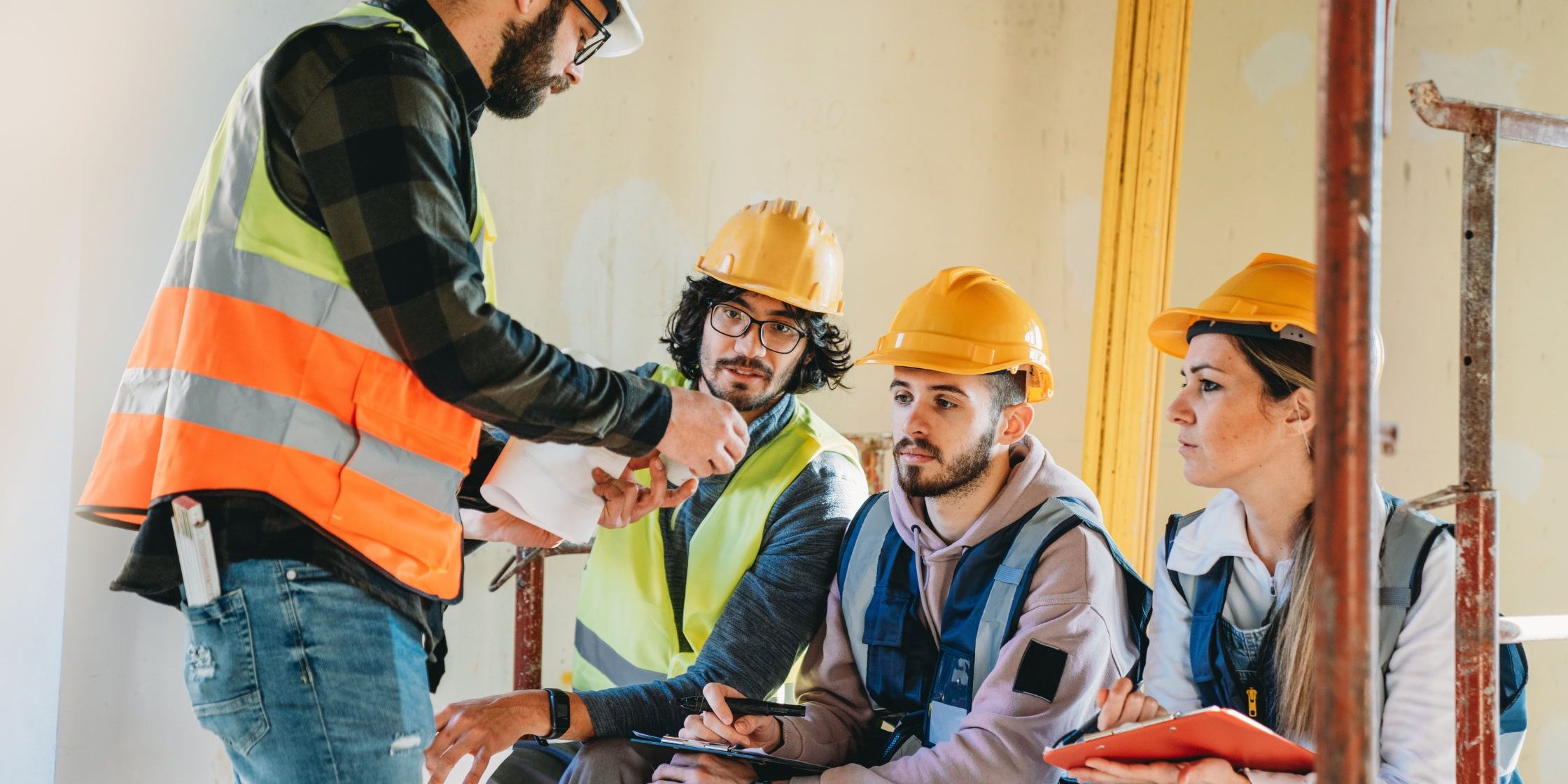
Supervisors are often in the best position to notice these changes. Daily contact with crews allows them to pick up on patterns that might go unnoticed by others.
When leaders respond with care instead of judgment, it creates an environment where employees feel supported and safe to speak up.
How Safety Culture Helps Prevent Suicide
Safety in construction has always focused on physical risks. Hard hats, fall protection, and equipment training save lives every day. But safety doesn’t end there.
A workplace culture should also address mental health, which can help prevent suicide.
What Is a Culture of Care?
A culture of care creates a work environment where employees feel valued and supported. Workers who feel respected are more likely to share struggles and seek help.
Leaders set the tone by showing care in daily interactions, and crews reinforce it by looking out for each other.
Practical Ways to Build a Supportive Culture
Creating this kind of workplace doesn’t require major overhauls. Small, intentional steps can make a difference:
- Train leaders in communication and support skills
- Offer paid leave and flexible scheduling when possible
- Set realistic expectations to reduce job strain
- Develop peer support programs that encourage open dialogue
- Use morning check-ins, team meals, or activities to build connections
Suicide prevention in the workplace also involves structured response steps:
- Tune in to warning signs.
- Ask directly if a worker is thinking about suicide.
- State that suicide is serious and help is available.
- Connect the person to immediate resources like the Suicide and Crisis Lifeline.
Mental Health and Suicide Prevention Resources
If someone is thinking about suicide, immediate help is available. In the United States, you can dial 988 to reach the Suicide and Crisis Lifeline.
You can also call 800-273-8255, text HOME to 741741, or visit SpeakingOfSuicide. These services connect people with trained counselors who provide guidance during difficult moments.
Mental Health Support in the Workplace
Employers can make a difference by making mental health resources visible. Posting hotline numbers in break areas or on safety boards can serve as a life-saving reminder.
Encouraging workers to use Employee Assistance Programs, or EAPs, is another important step. These programs connect workers to counseling, financial advice, and other types of support.
When leaders promote them, it shows that mental health is treated as part of overall safety.
Support Your Workers’ Mental Health and Safety With Menotti
What would it look like if safety on your site supported both physical protection and mental health? At Menotti Enterprise, that’s the standard we bring to every project.
Our on-site professionals look after hazards while also paying attention to workers who may be struggling. Mental health awareness is included in our safety planning, so it becomes part of daily routines.
Through training, crews learn how to recognize warning signs and connect coworkers with resources before a crisis grows.
We believe safer projects begin with healthier workers. Our mission is to create job sites where employees feel supported, valued, and safe.
Reach out to us, and we can help you create a safer, healthier workplace for your crews.
Frequently Asked Questions
Which occupations face the highest suicide rates?
Construction consistently ranks among the industries with the highest suicide rates in the United States. Factors include job strain, chronic pain, separation from family, and workplace cultures that discourage open dialogue about mental health.
What causes the most deaths among construction workers?
Workplace injuries remain a risk, but suicide claims far more lives. In 2022, around 6,000 construction workers died by suicide. By comparison, about 1,000 workers died from job-site accidents.
Is construction considered a high-stress job?
Yes. Long hours, strict deadlines, and the physical demands of the work create heavy strain. Limited access to mental health services and stigma around seeking help make challenges even harder.