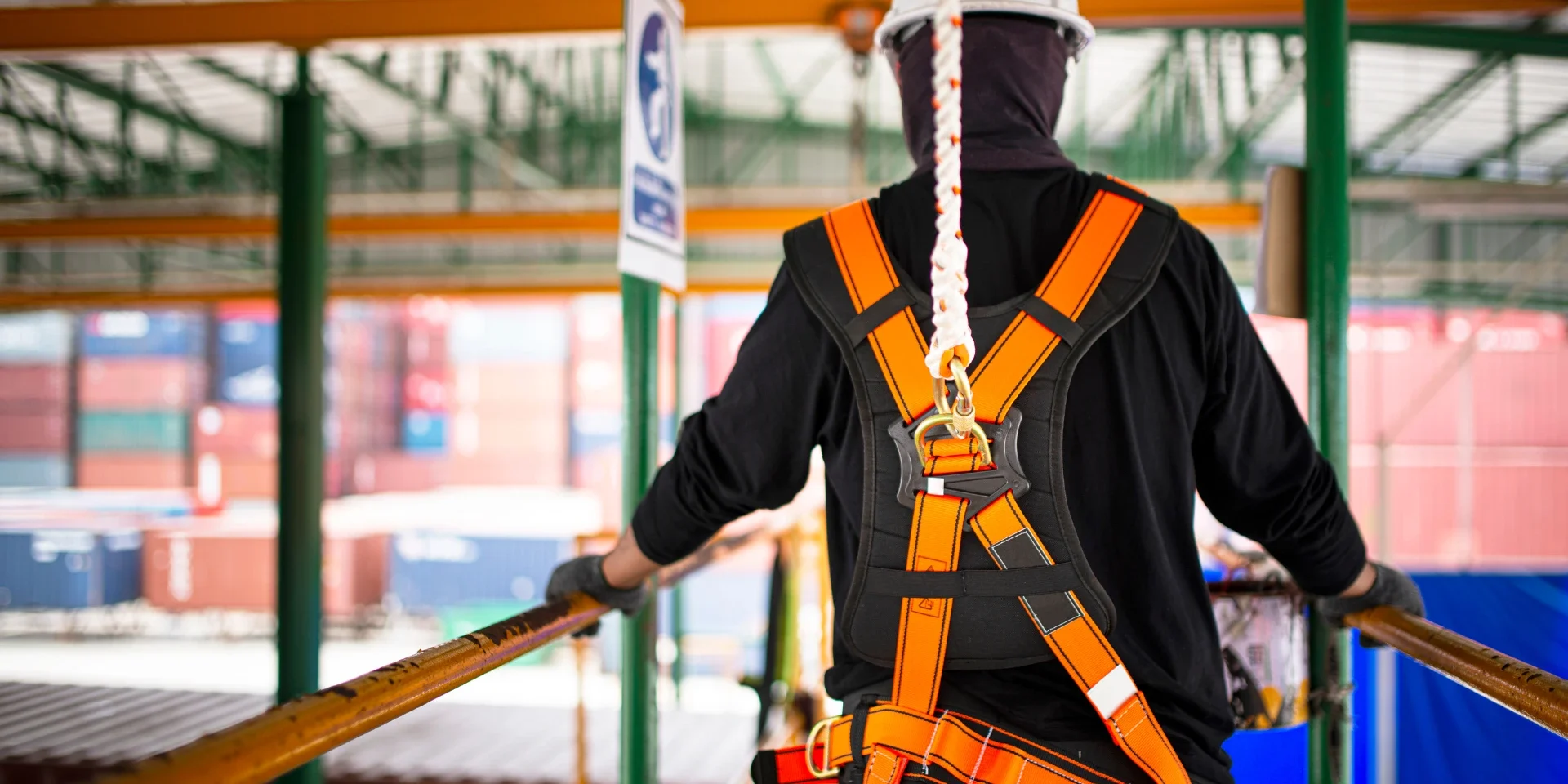
Construction in New York City is complex. Timelines shift, subcontractors rotate in and out, and regulatory pressure builds fast. One overlooked hazard can throw an entire project off track. Hiring a safety coordinator keeps job sites structured and helps avoid the type of problems that attract violations or slow down progress.
This step-by-step guide breaks down how to hire a safety coordinator who fits your project needs, meets the right qualifications, and shows up ready to lead on-site safety from day one.
What Does a Safety Coordinator Do?
A safety coordinator is responsible for identifying risks, training workers, writing and maintaining safety documentation, and managing safety inspections. They also serve as the go-to person for any interactions with enforcement agencies. If a Department of Buildings (DOB) or Occupational Safety and Health Administration (OSHA) inspector shows up, this is the person who steps in.
Safety professionals do not just point out problems. They take action, document it, and follow up. That daily, on-the-ground attention helps construction teams stay focused on their work without distractions or safety-related shutdowns.
Construction companies that are expanding operations or updating a safety program benefit from having someone dedicated to maintaining site discipline and documentation.
What Does It Cost to Bring a Safety Coordinator Onboard?
The average salary in the United States is around $86,930 per year. That number shifts depending on the project, the experience level, and whether the hire is full-time or temporary.
Some contractors hire freelancers to do walk-throughs, training, and occasional visits. Others bring someone on full-time to stay on the project from start to finish.
Types of Safety Coordinators You Might Need
Depending on what your site requires, here are a few types of safety coordinators you should know:
Occupational Safety and Health Specialist
These coordinators are OSHA experts. They inspect electrical systems, assess fall protection, and evaluate site layouts against regulatory standards. This work ties closely to occupational health and documentation readiness.
Injury Prevention Specialist
Cares less about codes and more about what could hurt a worker. Think damaged gear, blocked exits, and sloppy habits on ladders or scaffolds.
Risk Control Specialist
Steps back and asks, “What could go wrong here in a big way?” These professionals look for fire hazards, chemical leaks, or anything that could shut the site down.
Safety Compliance Officer
Knows DOB and OSHA rules inside out. If you’re worried about passing inspections or dealing with last-minute audits, this is the person you want.
Where to Start Your Search for Safety Coordinators
There are several ways to find candidates with the right experience. Job boards, industry-specific recruiting agencies, and LinkedIn searches are all effective. A quick search using keywords like “construction safety” or “site safety manager” can produce relevant results.
For faster results, ask around. Many general contractors and subcontractors have worked with safety coordinators in the past and can point you toward reliable professionals.
Another option is to work with a safety staffing firm like Menotti Enterprise. They handle the entire process from candidate screening to placement. This option is helpful when there’s a tight timeline or an urgent need to hire someone without delays.
Credentials That You Should Look For
Certifications are non-negotiable. Before a candidate steps onto the site, confirm they hold the following:
- OSHA 30 or higher, with OSHA 500 or 510 preferred for larger projects
- New York City Site Safety Manager (SSM) license
- Site Safety Training (SST) cards
- CPR and First Aid certification
- Documented experience writing Site Safety Plans (SSPs) and Health and Safety Plans (HASPs)
Work history should also reflect job types similar to yours. A coordinator familiar with DOB workflows and local inspectors can help implement a new safety system without slowing progress.
Interview Questions That Reveal Real Experience
Interviews are your chance to learn how a candidate operates when pressure hits. Skip the fluff and ask specific, scenario-based questions like these:
- What would you do if a subcontractor refused to wear fall protection?
- How do you respond when a near-miss goes unreported?
- Can you walk me through your process before a DOB inspection?
Look for concrete answers with examples from previous work. Avoid candidates who only speak in theory or give vague generalizations.
How to Write a Clear Job Description
A clear job post helps filter out candidates who are not a match. Keep it short, specific, and focused on your needs.
Include:
- Job type and scope (residential, commercial, multi-site)
- Expected start date and project duration
- Certifications required
- Description of day-to-day responsibilities
- Work environment details, including crew size or shift structure
If being bilingual helps with your crew, mention it. If you need someone to start within a week, say that too.
Hire a Qualified Safety Manager for Your Construction Site
Now that you know how to hire a safety coordinator, the next step is getting someone reliable and ready to get to work.
Menotti Enterprise supplies fully certified professionals for projects across New York City. Coordinators are trained, licensed, and familiar with DOB standards. Each one arrives ready to support the build and maintain consistent documentation and safety management on-site.
Reach out to get matched with someone based on your project scope, timeline, and crew setup.