A construction site has risks, and knowing how to handle them is key to keeping everyone safe. But how do you know where to start with planning? Learning how to make a safety plan for construction site work is simpler than it seems when you have the right steps in place. What hazards could workers face? How do you ensure compliance with regulations? These are common concerns for anyone involved in construction.
From identifying potential dangers to outlining proper responses, a good plan addresses all aspects of on-site safety. Menotti Enterprise is here to guide you through the process, ensuring your site stays secure and your workers are protected.
Creating a Construction Site Safety Plan
Developing a thorough safety plan for a construction site is essential for protecting workers, minimizing hazards, and complying with regulations. A comprehensive plan will outline safety procedures, identify risks, and assign specific responsibilities to ensure that safety is managed effectively throughout the project. To guide you through the process, we’ll explain how to make a safety plan for construction site operations by focusing on crucial steps like setting goals, assigning roles, and identifying hazards. This article breaks down how each part of the plan helps to create a safer construction environment.
Policy or Goals Statement
Every solid construction safety plan begins with a clear statement of goals or policies. This statement outlines your commitment to safety, specifying how the project will be managed to minimize accidents and injuries. A good policy statement is straightforward. It might emphasize the importance of creating a safe work environment and following all regulatory standards, such as OSHA guidelines. This section also shows your dedication to achieving a zero-incident worksite, ensuring that safety always takes priority. A goals statement helps everyone on site understand that safety is not optional; it is a top priority.
List of Responsible Persons
Assigning specific roles to individuals is critical when creating a safety plan for a construction site. You need clear accountability, and each person should know their duties regarding safety. Some key roles might include:
-
A project manager to oversee the entire safety plan and ensure compliance
-
A site safety officer responsible for daily safety checks and implementing protocols
-
Subcontractor safety coordinators to manage safety within specific teams
-
A first-aid officer trained to provide immediate medical assistance in emergencies
By assigning these roles, you ensure that everyone knows who to contact for safety issues and that all aspects of site safety are covered.
Safety and Emergency Contact Information
Safety plans should include contact information for all key safety personnel and emergency services. Every worker on-site must have easy access to these details. This includes the phone numbers of supervisors, the safety officer, and the first-aid officer. Additionally, provide contact numbers for external emergency services like local hospitals, fire departments, and the police. It’s important to include any client emergency contacts in case their input is required during an incident.
Description of Site Condition and Location
Every construction site has unique conditions that must be considered in a safety plan. This part of the plan describes the location and current site conditions before work begins. For instance, the site’s address and any distinguishing features should be noted. Is there uneven terrain? Are there nearby hazards like power lines or bodies of water? This helps everyone involved understand what challenges they might face on-site and how these conditions could impact safety.
Description of the Project Scope
When determining how to make a safety plan for construction site work, it is essential to understand the scope of the project. This includes describing the type of construction project and its size. Is the project residential, commercial, or infrastructure-related? Each type brings different safety concerns. The timeline and key milestones must be listed here, alongside any elements of the project that pose unique risks, such as working at height or dealing with hazardous materials.
Hazard Identification
Identifying hazards is a fundamental part of any construction safety plan. Common construction hazards include heavy machinery, fall risks, electrical dangers, and exposure to hazardous materials. However, each site has unique hazards depending on its conditions and scope. For example, working near a busy street may introduce the risk of accidents involving pedestrians or vehicles. By identifying these hazards early, you can put measures in place to prevent accidents. A detailed list of risks should be compiled, taking into account both standard construction dangers and site-specific risks.
Hazard Controls and Safe Practices
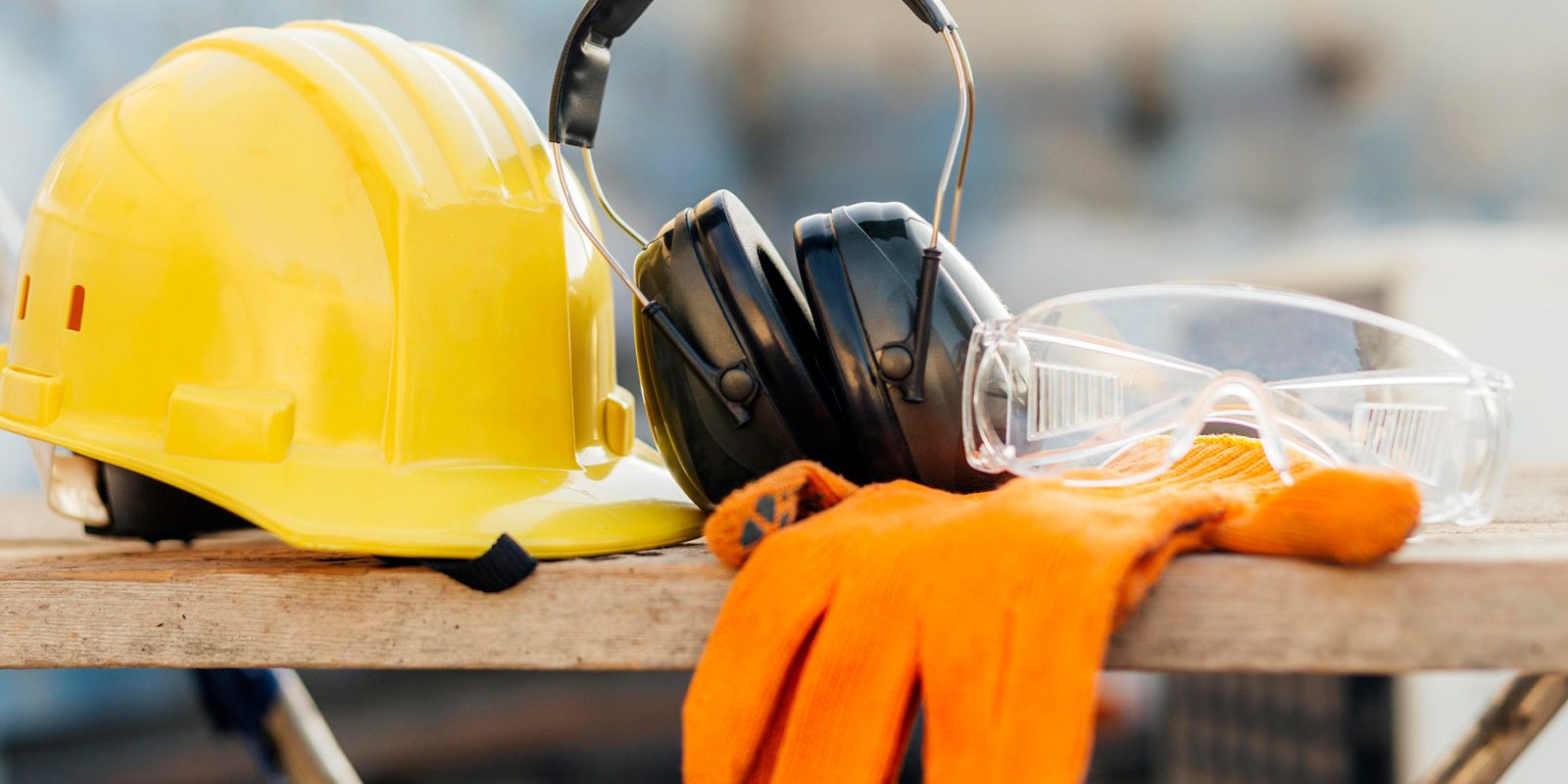
Once hazards are identified, the next step is implementing controls to reduce or eliminate these risks. Personal Protective Equipment (PPE) requirements should be clearly defined, such as hard hats, goggles, gloves, and safety vests for all workers. Safe operating procedures for machinery must be established, ensuring that only trained personnel handle dangerous equipment. For projects that involve working at heights, set up fall prevention systems like guardrails or fall arrest harnesses. Specific guidelines for chemical handling, excavation, and emergency evacuations should also be included. The goal here is to reduce risk through established safety practices that everyone on-site follows consistently.
Each worker must know the safe practices they need to follow daily. Training is a big part of this. All workers should receive safety training specific to their tasks, ensuring they know how to handle equipment safely, use PPE correctly, and respond in emergencies.
Developing a Safety Plan
Knowing how to make a safety plan for construction site work isn’t just about checking off boxes. It requires careful planning, regular updates, and involvement from everyone on-site. Safety procedures must be followed every day, and roles need to be clear. Hazard identification and control play a key part in reducing accidents. Every project is unique, so it’s essential to tailor your safety plan to the site and the job at hand. Menotti Enterprise understands the challenges of managing safety on construction sites and offers expert support to help ensure your safety plans are thorough and effective.
Why Choose Menotti Enterprise for Construction Site Planning?
At Menotti Enterprise, we specialize in creating tailored safety solutions for construction projects. With years of experience in the industry, our team understands the importance of effective planning in reducing accidents, meeting regulations, and ensuring smooth operations. We know how to make a safety plan for construction site work, no matter the project’s complexity.
Expertise and Commitment
Our expertise goes beyond basic compliance. We ensure every safety plan aligns with OSHA standards and local regulations. Our approach is personalized, focusing on site-specific hazards and project requirements. This means that each plan we create is practical, actionable, and designed to reduce risks effectively.
Comprehensive Services
Menotti Enterprise offers a full range of services, from staffing to safety training. We provide on-site safety professionals, site safety managers, and temporary or full-time staff depending on your project needs. Additionally, our detailed safety plans are designed to identify hazards and outline safety protocols to keep your project on track and compliant.
Tailored Safety Solutions
Our team develops customized plans to suit your specific site, addressing factors like dust, noise, and fire safety. We also offer specialized safety plans such as Tenant Protection Plans and Adjacent Property Protection Plans, ensuring the safety of everyone involved, even beyond your site’s boundaries.
Let us help you create a safer work environment. Menotti Enterprise knows how to make safety plans for construction site projects run smoothly, efficiently, and safely. Contact us today to discuss how we can support your next project.