An OSHA compliance audit can catch you off guard if you’re not ready. Inspectors look at your site, your safety records, and your crew’s training. Their goal is to see whether you’re meeting federal safety requirements.
If you work in construction, you know one missed detail can cost time and money.
This guide will show you what happens during an OSHA audit, what inspectors focus on, and how you can prepare before they arrive.
What Is an OSHA Compliance Audit?
An OSHA compliance audit checks whether your jobsite follows federal safety regulations.
Inspectors review your training records, programs, and workplace conditions to confirm that your team meets OSHA standards.
They look for safety violations, missing documentation, and potential hazards that could cause injuries. They also verify that employees use personal protective equipment and follow safe work practices.
What Triggers an OSHA Inspection?
OSHA inspections don’t happen without reason. They’re usually prompted by specific events or conditions that raise safety concerns.
The most common triggers include:
- Workplace accidents: Fatalities or serious injuries automatically draw OSHA’s attention. Inspectors visit to determine if your team followed required safety protocols.
- Employee complaints: Workers can report unsafe conditions directly to OSHA. If the complaint seems valid, an inspection will follow.
- Referrals: Other government agencies, unions, or safety organizations can refer your site for inspection.
- Targeted inspections: Some industries face a higher risk. OSHA regularly reviews businesses with previous violations or high injury rates.
- Follow-up visits: If OSHA cited you before, they may return to verify that you corrected the problems.
When any of these triggers apply, an inspection can happen without notice.
What to Expect During an OSHA Compliance Audit
When OSHA arrives, the inspection follows a set process. Knowing what happens helps you stay focused and prepared.
- Arrival and credentials: Inspectors start by showing their ID. Always confirm it before the visit proceeds.
- Opening conference: They explain why your site was selected, what they plan to review, and who they’ll speak with. Make sure management attends before the discussion starts.
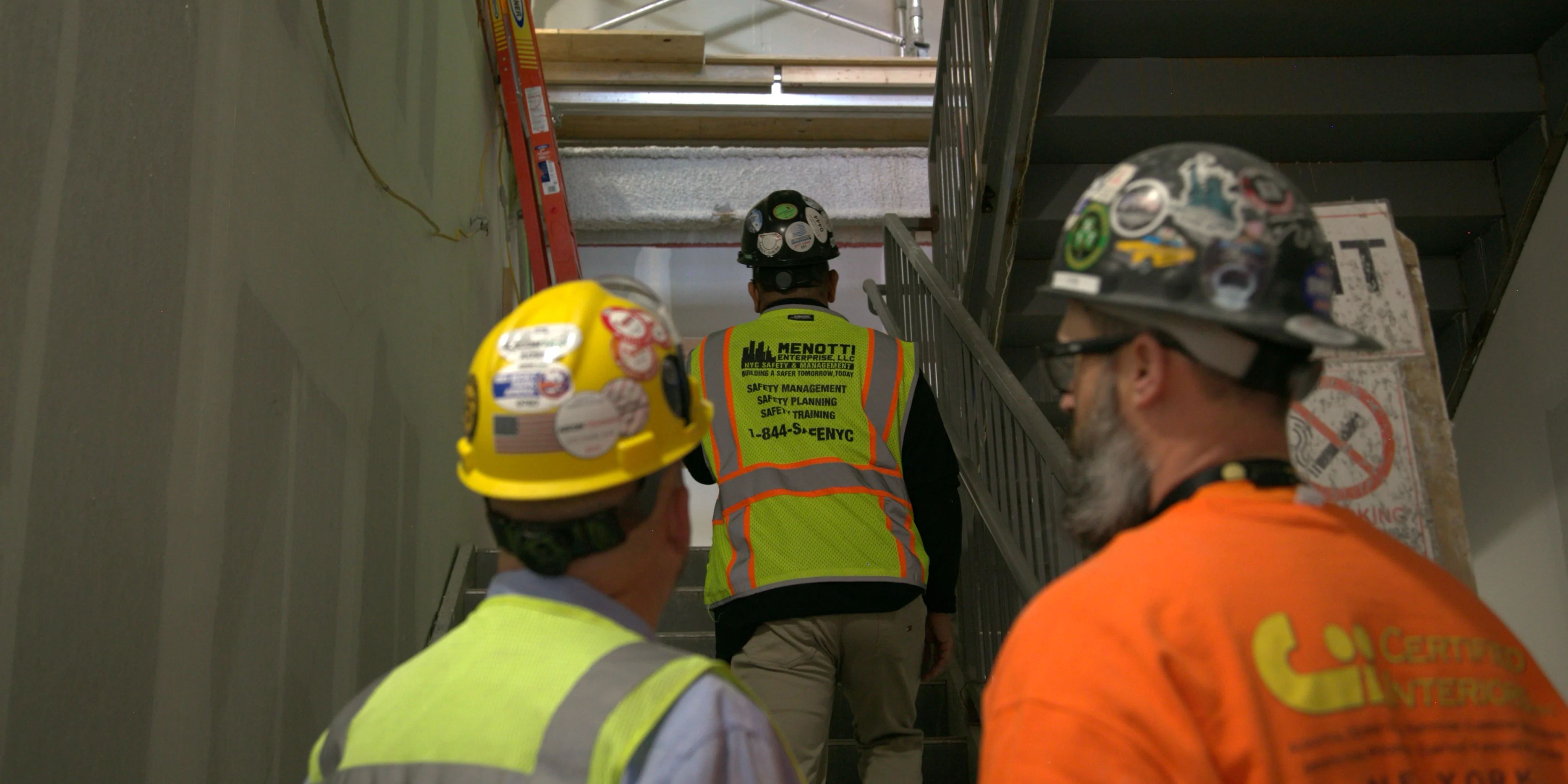
- Walk-around inspection: The inspector tours your jobsite, observes daily operations, and checks for safety hazards. They also review protective gear, signage, and equipment conditions.
- Record review: Be ready to provide training logs, safety programs, and OSHA 300 or 301 forms. Keep all files current and easy to access.
- Employee interviews: Inspectors often speak with workers to understand how safety procedures are followed on-site.
- Closing conference: The visit ends with a summary of what they found. You’ll discuss potential violations, correction steps, and deadlines.
Fix any simple issues during the visit if possible. It shows you’re serious about employee safety and meeting OSHA standards.
Understanding OSHA Citations and Penalties
After the audit, OSHA reviews its findings and may issue citations. Each citation lists the safety standard that wasn’t met, the proposed penalty, and a date to correct the issue.
Violations fall into several categories:
- Other-than-serious: Issues that don’t cause serious harm but still violate OSHA standards.
- Serious: Hazards that could cause injury or illness if not corrected.
- Willful: Problems you knew about but didn’t fix.
- Repeated: Violations similar to ones you’ve been cited for before.
- Failure to abate: Issues you didn’t correct by the assigned date.
How to Respond to OSHA Citations
Penalties depend on how severe the violation is and your company’s record. OSHA may lower fines if you’ve shown a commitment to employee safety or if your business has a smaller workforce.
Once citations are issued, you have 15 working days to respond. You can:
- Request an informal conference with your local OSHA office to discuss the citation and penalties.
- File a formal contest if you disagree with the findings or proposed fines.
OSHA’s main goal isn’t punishment. It’s to correct hazards and prevent workplace injuries.
When you treat each inspection as an opportunity to improve your safety program, you reduce risks for your workers.
Schedule Your OSHA Compliance Audit With Menotti
An OSHA audit can stop a project in its tracks if you’re not prepared. Menotti Enterprise helps contractors across New York prepare for inspections before OSHA ever visits the site.
Our team reviews your safety programs, training records, and OSHA logs to confirm compliance with current federal and state rules.
We visit your site, identify potential hazards, and guide your crew through the same inspection process OSHA uses. You’ll know what to fix, how to fix it, and who’s responsible for each task.
Menotti also provides follow-up support, on-site guidance, and OSHA-authorized 10-hour and 30-hour training to keep your workforce ready.
Every audit we complete strengthens your safety standards and reduces your risk of violations.
Don’t wait for a citation to make changes. Schedule your OSHA compliance audit with Menotti and keep your jobsite inspection-ready year-round!
Frequently Asked Questions
How often does OSHA conduct compliance audits?
OSHA doesn’t follow a set schedule for inspections. Visits can happen at any time, especially after an accident, complaint, or referral. If your company operates in a high-risk industry, you’re more likely to receive regular inspections.
What documents should I prepare for an OSHA inspection?
Keep your safety programs, OSHA 300 and 301 logs, injury reports, and training records updated. Make sure your team knows where these files are stored so you can present them immediately if OSHA arrives.
Can Menotti help if I receive an OSHA citation?
Yes. Menotti assists employers after citations. They review the findings, develop correction plans, and train employees to prevent future violations.