Running a construction site in New York City comes with a long list of responsibilities. One of the most important is putting the right safety staff in place to protect workers and meet all the city’s rules.
Between the noise, the machinery, and the tight schedules, it’s easy to overlook how much safety personnel matter on a job site. But when safety protocols fall through, it doesn’t take long for delays, violations, and accidents to follow.
Let’s look at how site safety works in New York, what kind of safety officers a construction project might need, and how to meet those staffing needs without the stress.
What to Know About New Major Building Definitions
A new rule could affect which construction projects need licensed safety personnel. Local Law 147 updates the definition of a “major building” in New York City.
Starting then, a major building will include any project that is 7 stories or 75 feet in height, as well as those with a footprint of 100,000 square feet or more. This is a shift from the older standard, which only applied to buildings 10 stories or 125 feet and above.
This means many projects previously categorized as mid-rise or smaller will now need additional safety oversight earlier in the process.
Façade work requirements remain unchanged at 14 stories or 200 feet. But for everything else, it’s important to review project specs early and decide if a licensed Site Safety Manager or Coordinator will be needed.
Why Do You Need an On-Site Safety Personnel?
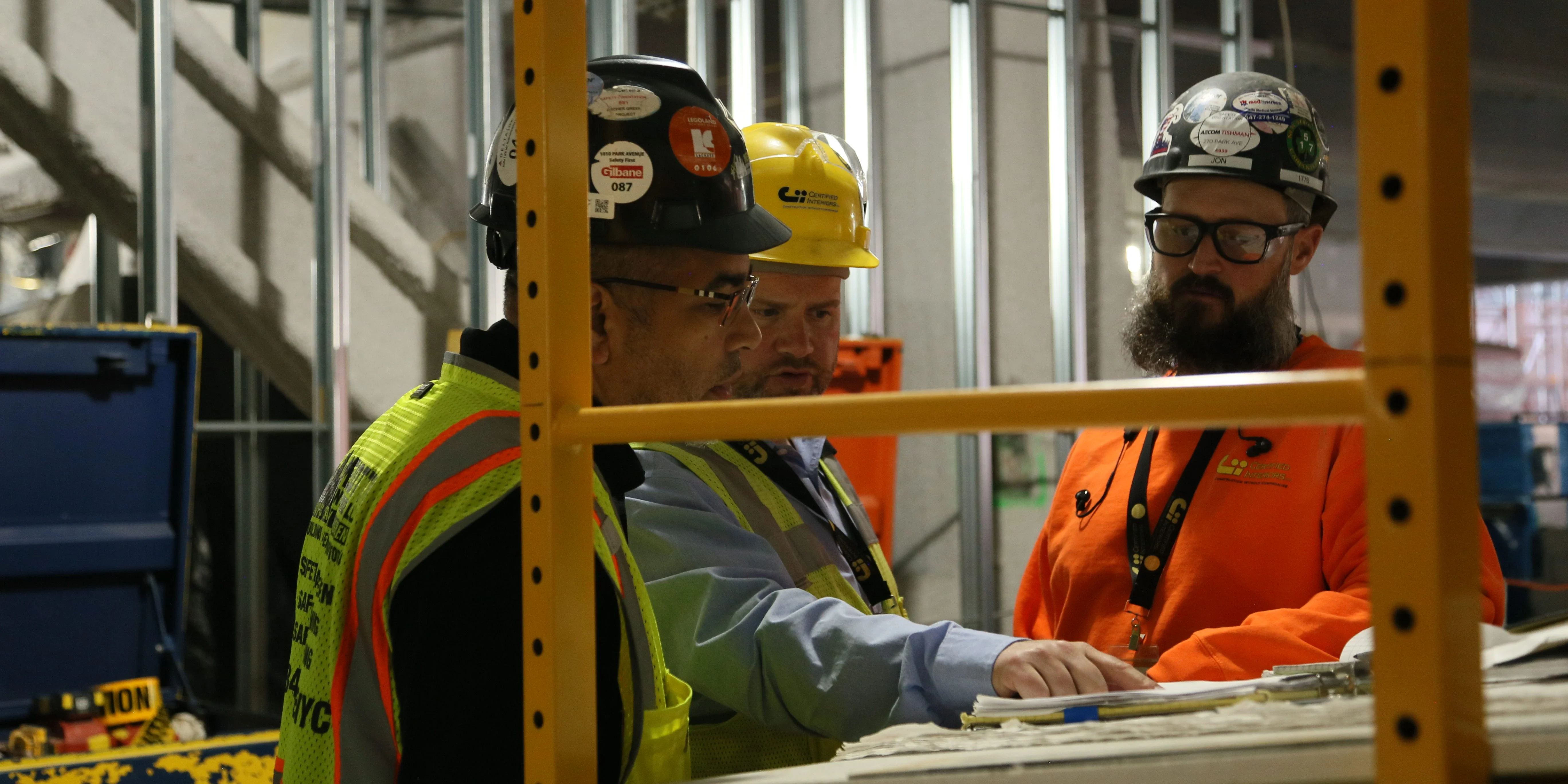
A construction site can shift from calm to chaotic in seconds. Heavy machinery is moving, materials are being hoisted, and dozens of people may be working across different levels of a structure. Without trained safety professionals monitoring the action, small hazards can quickly turn into emergencies.
The job of safety personnel is to reduce the risk of accidents by watching for issues that others might miss. These professionals make sure safety rules are followed, that everyone uses the right personal protective equipment or PPE, and that fall protection systems are in place.
They also help guide safety training, keep records ready for inspection, and respond when a hazard threatens health and safety on the site.
Construction site safety depends on more than hard hats and fences. It takes real attention to detail and people who know how to recognize a potential issue before it grows into a problem.
Who Needs to Be Onsite and When
Construction companies must assign the right safety officers based on the size, height, and complexity of each project. These requirements come from the Department of Buildings and will be adjusted with the new rules under Local Law 147.
For High-Rise Projects (15 Stories or More)
Any project 15 stories or taller currently requires a Site Safety Manager (SSM). This role involves active oversight of all site safety protocols, emergency response, and fall protection systems. The SSM must hold a DOB-issued license and complete 40 hours of training.
Once the updated “major building” threshold takes effect, even buildings in the 10 to 14-story range may need a Site Safety Manager depending on their height and footprint. Planning for this change now can help avoid surprises later.
For Mid-Rise Projects (10 to 14 Stories)
Traditionally, buildings in this range required a Site Safety Coordinator (SSC). Coordinators manage safety expectations and keep hazards under control, especially around public spaces.
Under the new rules, projects 7 stories and up may be reclassified as major buildings. That can trigger the need for a Coordinator—or in some cases, a Site Safety Manager—even when working on what once seemed like a mid-size job.
For Lower Buildings (Under 7 Stories)
Projects below 7 stories typically need a Construction Superintendent. This role doesn’t require a specific safety license, but you must be registered with the DOB.
The superintendent supervises workers and subcontractors, checks that safety protocols are followed, and ensures compliance with OSHA regulations.
Partial demolition and mechanical demolition are exceptions to watch. If more than 50 percent of a structure’s gross floor area is affected, or if demo work involves heavy machinery, the city may still require a higher level of safety staffing. Always check the latest DOB guidelines when demolition is involved.
Meeting safety requirements isn’t just a checkbox. It’s about placing experienced professionals on site who can respond to risks in real time.
How to Become a Certified Safety Professional in NYC
Anyone looking to become a Site Safety Manager or Coordinator needs to apply through the DOB’s licensing portal. This involves setting up an eFiling account and accessing DOB NOW.
Applicants must:
- Be at least 18 years old
- Read and write in English
- Pass background and physical fitness checks
Required documents include proof of safety training and other identification. The application includes a $585 written exam and a $530 practical test. After passing both, applicants schedule a photo appointment to receive their license card.
Professionals in the construction industry benefit from getting certified early, especially as project thresholds change with upcoming laws.
What Do Safety Training Workers Need?
The rules don’t stop with safety officers. Workers on construction sites in New York City also need safety training. Under Local Law 196, every person working on a large construction site must complete 40 hours of Site Safety Training.
This includes:
- A 10-hour OSHA training course
- An 8-hour course on fall prevention
- Additional elective courses based on the type of work being performed
The training teaches workers how to use PPE correctly, how to recognize unsafe conditions, and how to work near heavy machinery. It also covers emergency response steps in case someone is injured or exposed to a hazard.
Training helps mitigate the risk of incidents by giving workers the tools and knowledge they need to stay alert and take safe actions on the job.
What Happens if the Rules Are Ignored?
Failing to meet staffing needs or ignoring safety training requirements can have serious consequences. DOB inspectors regularly visit construction sites to confirm that all required safety officers are on-site and active.
If an inspection finds that safety rules are not being followed, the city can issue stop-work orders or large fines. These delays can affect deadlines and increase costs for everyone involved in the project.
Besides fines, the bigger concern is the risk of accidents. Construction sites already deal with high-risk work. Without trained professionals watching the site and without clear safety plans in place, the chance of someone getting hurt increases.
Following regulatory requirements helps avoid confusion during inspections and keeps projects moving forward safely and legally.
How Menotti Enterprise Helps Meet Safety Staffing Requirements
Construction companies that want to stay compliant without second-guessing their staffing decisions can partner with Menotti Enterprise. This NYC-based safety consulting firm provides certified safety personnel for projects of all sizes.
From Site Safety Managers to Coordinators and Construction Superintendents, Menotti connects construction sites with licensed professionals who meet all DOB and OSHA standards.
Menotti also helps with writing safety plans, reviewing compliance needs, and organizing safety training for workers. Their team has handled projects across New York, and they stay updated on changes in safety rules and licensing requirements.
Support from firms like Menotti can help maintain important safety standards throughout the life of a project.
Menotti Enterprise: Your Partner in Evolving NYC Code
With Local Law 147 introducing new building classifications, reviewing your safety staffing early is more important than ever. From partial demo projects to new builds above 7 stories, more construction sites now fall under rules that require licensed safety personnel.
Menotti Enterprise provides certified Site Safety Managers, Coordinators, and Construction Superintendents for construction projects of every size in New York City. Their professionals know DOB codes inside and out and help contractors meet evolving safety expectations.
Whether preparing a safety plan, managing day-to-day onsite safety, or assisting during inspection, Menotti brings experience and reliability to every stage of construction.
Reach out today to match your project with the right safety staff and stay ahead of changing city codes.