
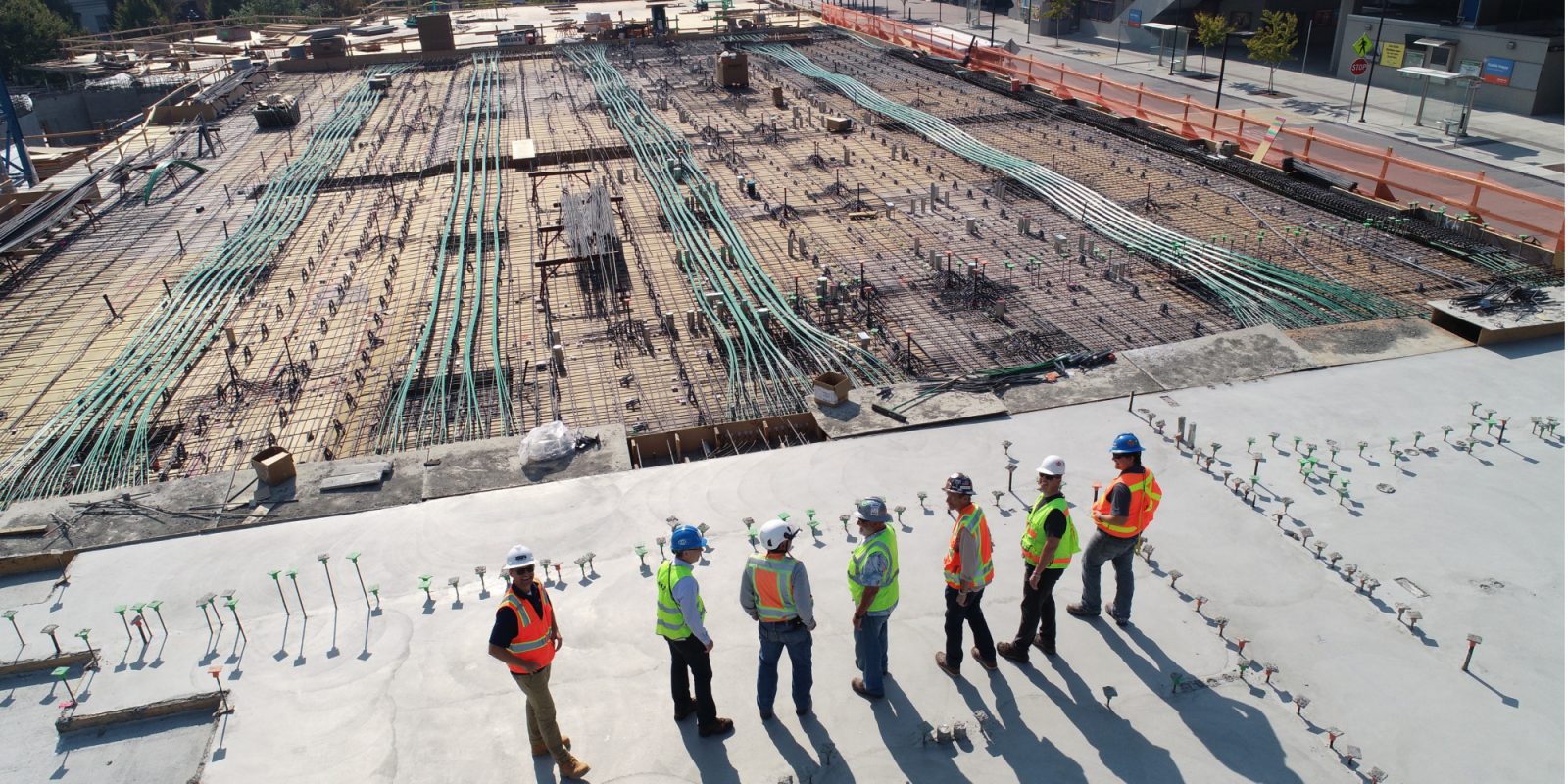
You’ve got a construction site filled with workers, machinery roaring, and deadlines looming. Everything’s fine – until it isn’t. That’s where a Site Safety Manager (SSM) swoops in, clipboard in hand, ready to save the day.
So, when is a Site Safety Manager required in NYC?
If your construction project is in the Big Apple and involves new buildings or demolitions over 15 stories or 200 feet, an SSM isn’t optional, it’s mandatory. NYC law practically shouts, “No SSM? No building permits for you!”
But wait, there’s more! Find out why having a site safety manager in NYC is a game-changer for your project.
What is a Site Safety Manager?
New York City has some of the strictest building codes in the country. Why? Because when you’re constructing in one of the busiest, most densely populated cities in the world, safety is necessary.
A Site Safety Manager (SSM) is a safety expert who oversees construction projects to ensure worker safety. They check for hazards, train workers, and make sure everyone follows safety rules. Having an SSM is important because it helps prevent accidents and keeps construction sites safe.
When is a Site Safety Manager Required in NYC?
The New York City Department of Buildings (DOB) has specific rules about when you need a Site Safety Manager (SSM). These rules depend on the size and type of your construction project.
For instance, if you’re building a new structure that’s 15 stories or taller, you must have an SSM on site. Similarly, for alterations and demolitions of buildings 10 stories or taller, an SSM is required.
In addition, large-scale projects, such as those exceeding 100,000 square feet, often necessitate the presence of an SSM.
These are just general guidelines. Specific requirements can vary based on the project’s details. If you’re unsure whether you need an SSM, it’s best to consult with a safety expert or check with the DOB directly.
The Daily Duties of a Site Safety Manager
A Site Safety Manager (SSM) is responsible for keeping construction sites safe. They do this by:
Conducting Regular Site Inspections
SSMs carefully examine the construction site to identify potential hazards, such as exposed wires, unstable structures, or hazardous materials.
Enforcing Safety Protocols
SSMs ensure that workers follow safety rules and regulations, such as wearing appropriate personal protective equipment (PPE) and using tools correctly.
Training Workers
They provide training to workers on various safety topics, including hazard recognition, emergency procedures, and the proper use of equipment.
Investigating Accidents and Incidents
In the event of an accident or incident, SSMs conduct thorough investigations to determine the root cause and implement preventive measures.
Documenting Safety Records
They maintain detailed records of safety inspections, training, and incident reports.
Coordinating with Other Safety Professionals
SSMs work closely with other safety professionals, such as industrial hygienists and safety engineers, to ensure comprehensive safety coverage.
Benefits of Hiring a Site Safety Manager
A single workplace incident can cost you tens of thousands in fines, medical bills, and legal fees – not to mention project delays.
An SSM proactively identifies risks, whether it’s a wobbly ladder or a misused harness, and addresses them before they spiral into something worse.
They Keep Projects Running Smoothly
Without an SSM, delays are inevitable. For example, when an inspector walks onto your site, sees a missing permit or unsafe scaffolding, and shuts you down on the spot. That’s weeks of lost productivity, angry clients, and sleepless nights.
An SSM prevents that nightmare by ensuring everything’s up to code. They’re the liaison between your site and NYC’s Department of Buildings (DOB), making sure permits, paperwork, and protocols are flawless.
They Build a Culture of Safety
A great SSM doesn’t just enforce rules, they also inspire confidence. When workers see that safety is a priority, morale goes up, accidents go down, and everyone works more efficiently.
In NYC construction, a site safety manager is the linchpin that holds your project together.
What Happens If You Skip the SSM?
Non-compliance fines can run into the tens of thousands per violation. From missing safety protocols to improper documentation, NYC inspectors don’t mess around.
Without proper safety oversight, inspectors can shut your site down faster than you can say, “Wait, we’ll fix it!” When the project halts, you’re left with angry clients, mounting expenses, and workers sitting idle.
Moreover, a safety incident on your site can lead to lawsuits, insurance claims, and, worst of all, a tarnished reputation. Future clients aren’t going to trust a company that’s seen as reckless or cutting corners on safety.
Menotti Enterprise Makes Compliance Easy
Whether you need a full-time SSM or just a quick consultation, Menotti Enterprise has your back.
Here’s what we offer:
Expert Safety Staffing
We’ll connect you with top-notch Site Safety Managers (SSMs) who know the ins and outs of NYC safety rules. They’ll keep your project running smoothly and safely.
Custom Safety Plans
Our safety experts will create Site Safety Plans (SSPs) and Health and Safety Plans (HASPs) just for your project. These plans will guide your team and keep everyone safe.
Safety Training
We offer a variety of safety training programs, from OSHA 10-Hour, 30-Hour, and site-specific training. We’ll make sure your team is well-prepared to handle any situation.
Need a Site Safety Manager? Let’s Chat!
So, when is a Site Safety Manager required in NYC? Anytime you’re working on a major project that could put workers or the public at risk.
But don’t worry, Menotti Enterprise is here to help.
We will guide you through the maze of safety regulations and ensure your project stays on track.
Let’s work together to build a safer, more efficient, and more successful construction project. Request a free consultation today to learn more about our services.