Construction carries high risk. One small mistake can throw the whole project off track or lead to serious injuries. That’s why effective safety staffing strategies must come early and stay consistent throughout the job.
Some companies treat safety as paperwork. But when incidents occur, those boxes they checked don’t protect workers. Fundamental safety strategies involve the right people, ongoing conversations, and constant oversight.
This guide walks through practical staffing moves that reduce accidents, support teams, and help your project stay on course without interruptions.
Why a Real Safety Plan Starts with People
You can’t build a safe workplace by accident. It starts with the staff you bring in.
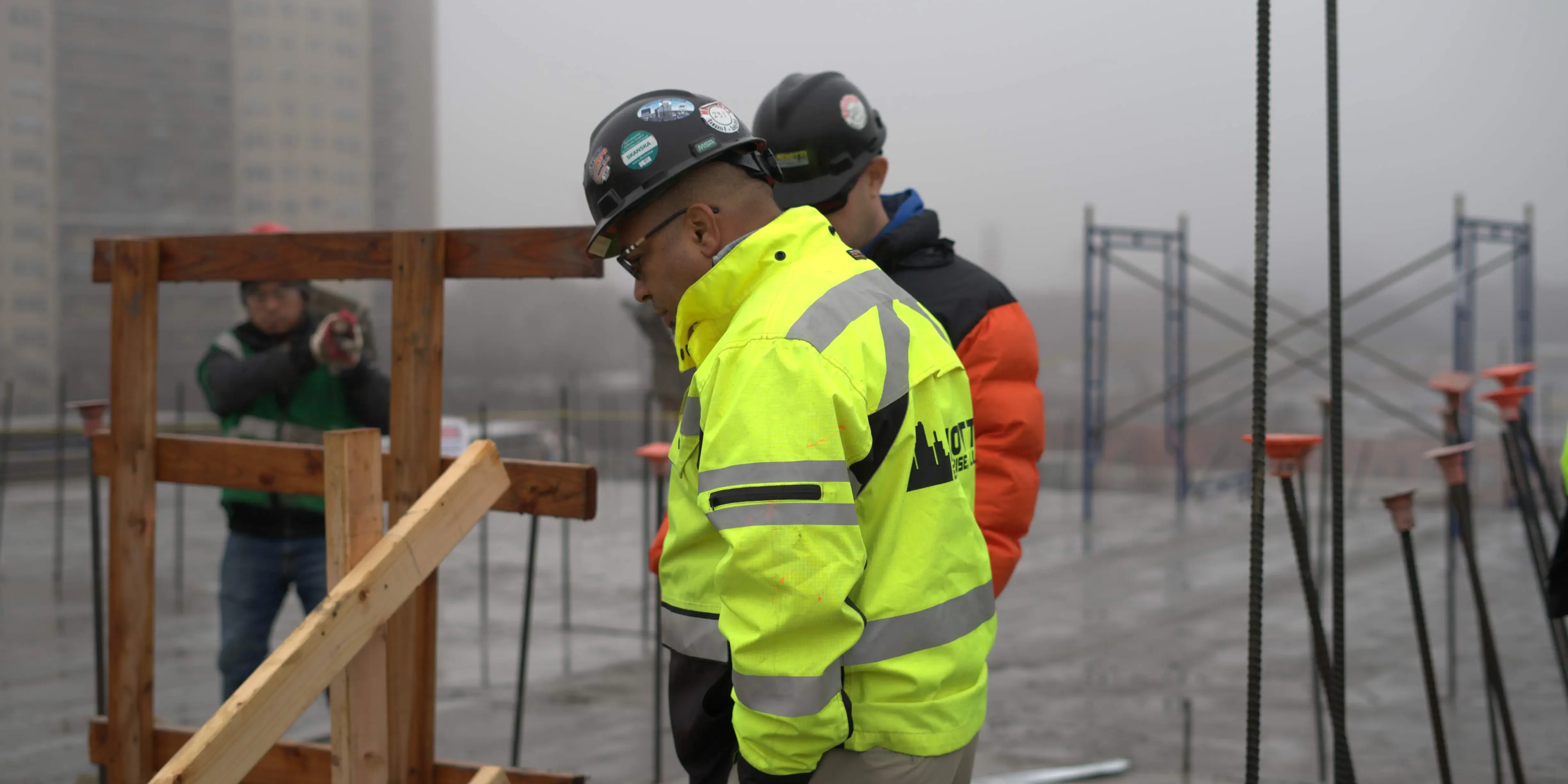
When the right safety professionals show up, they do more than inspect. They lead by example. They model safe behavior, reinforce safety procedures, and build trust with the crew. Their presence encourages everyone else to stay sharp.
Too many companies skip this step and rely on policies without people to carry them out. But a strong safety management structure relies on effective staff who guide behavior and respond to problems fast.
Before diving into tactics, you need to see staffing as the foundation for everything else. With the right team in place, you can implement better procedures and leverage decisions to keep your site running safely.
Focus on What’s Risky Instead of What’s Routine
You can’t fix what you don’t notice. So your safety plan needs to start with a close look at real risks.
Walk the site. Talk to the team. Review past incident reports. Then match staffing to where help is needed most.
Start here:
- Review where injuries or close calls have happened in past jobs.
- Listen to workers about unsafe areas or rushed work.
- Use data analytics to flag trends early.
- Assign staff based on task complexity, not just headcount.
This data-driven approach gives you a safer site.
Let the Work Drive Staffing, Not the Numbers
Some staffing models follow fixed ratios. One safety officer per fifty workers. One supervisor per trade. But that only works on paper.
Real safety requires flexibility. Your plan should adjust based on what happens that day, not a template from the start of the project.
When crane work starts or a new subcontractor joins, you may need more staff coverage. When the workload shifts, your staffing strategy should shift too.
Following best practices in safety staffing means responding to the actual jobsite environment.
Teach Skills That Stick With Your Workers
Once staff are placed correctly, they need to support workers with relevant training, not just lectures that get forgotten the next day.
Training should speak directly to the job. Workers respond best when the content reflects the hazards they face every day. Generic overviews won’t help someone operate a lift safely or navigate cramped workspaces.
Use hands-on sessions. Focus on skills that improve response time under pressure. Update training as the job evolves and risks shift. When workers learn through doing, they retain what matters.
Use Effective Tools for Training
Some companies use immersive training tools like virtual reality to simulate job-site conditions. This gives workers the chance to make decisions, correct mistakes, and build awareness in a controlled environment.
Other successful training methods include:
- Scenario-based workshops with direct supervision
- Refresher drills before high-risk tasks
- Role-specific sessions broken down by trade
When workers train in ways that match real tasks, their response becomes automatic when pressure hits.
Build a Safety Culture That Doesn’t Disappear After Orientation
A safe workplace doesn’t happen once during onboarding. It builds over time through trust, teamwork, and shared responsibility. That starts by listening.
Invite workers to speak up. Ask for feedback during toolbox talks. Hold short, focused meetings that go over current risks and needed adjustments. These interactions send a message: safety isn’t just a management concern; it’s everyone’s job.
A strong culture of safety also shows up in how issues get handled. When someone reports a hazard and leadership acts on it, that moment carries weight. It proves the system works.
Use Data to Keep the Program Moving
Set up a system to track progress and evaluate what’s working. Don’t rely on gut feelings.
Review data points like:
- Near misses and recurring issues
- Areas flagged during inspections
- Staff feedback from training sessions
- Subcontractor safety performance
Use these insights to adjust your staffing or change the day’s plan.
Keep Safety Visible Long After the Morning Meeting
The longer the project runs, the easier it is to let good habits slip. That’s why it’s important to keep safety part of the daily routine.
Talk about it during check-ins. Highlight good decisions in real time. Address small issues before they snowball. Make it something the crew expects to discuss, not something that feels like a box to check.
Keep Your Crew Motivated
When a worker calls out a trip hazard or helps correct a risky setup, they should hear about it. A simple thank-you goes a long way. So does a mention during a shift meeting or a quick note passed up the chain.
You don’t need a formal program to keep people engaged. You just need to pay attention to what’s working and talk about it in the moment.
Hire the Team That’s Built for NYC Job Sites
You can have safety policies, detailed checklists, and posters in every hallway. But if your staff doesn’t know how to apply them on-site, you’re still exposed.
Menotti Enterprise provides safety professionals who know how to lead in the field. They’ve worked on complex builds across New York City and bring the experience needed to help teams avoid delays, accidents, and uncertainty.
Whether you’re implementing a full safety program or looking to strengthen your crew with effective safety staffing strategies, Menotti helps you move from compliance to consistency.
Ready to improve safety and bring structure to your site? Talk to Menotti Enterprise today!